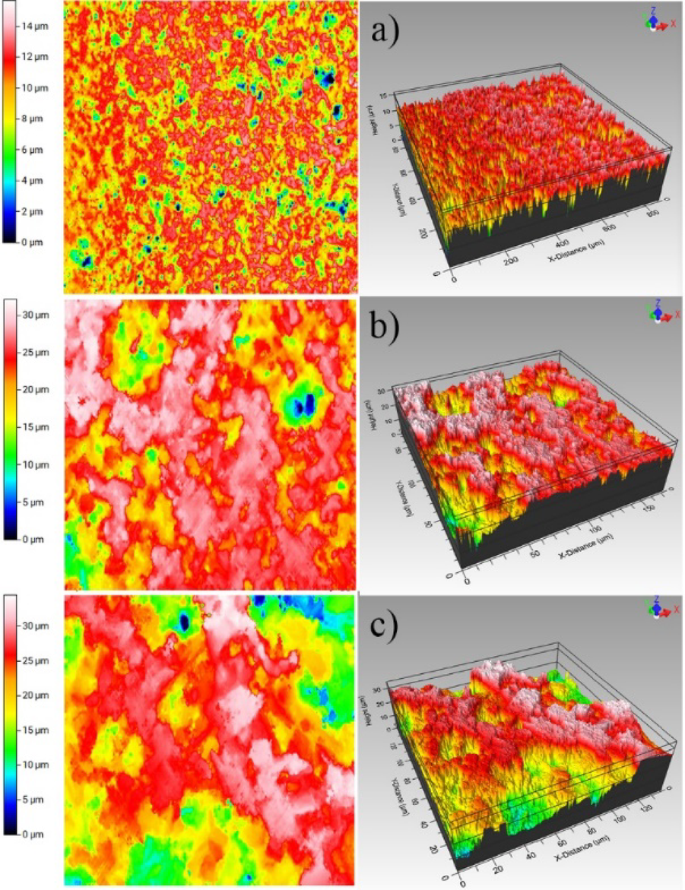
Surface roughness can change wear much more strongly than it changes friction. This note examines a ceramic-bead and alumina comparison in which TriboSolver supplied contact-pressure estimates for three surface finishes. It presents the reported pressures alongside measured friction and wear trends, explains why real contact area matters, and identifies the input information still needed for exact numerical reproduction. The article also separates this focused mechanical calculation from the paper’s wider experiments on cellulose suspensions and xanthan-gum solutions. Its central lesson is that contact modelling can provide useful mechanical context without directly predicting every observed wear track or lubricant effect. The distinction matters when assessing surface treatments.